Last updated on 7 April 2026
There’s no shortage of drones competing for your attention right now — every few months a new model arrives with a press release full of superlatives and a price tag that makes you wonder whether aerial photography is really a hobby or just an expensive way to lose money at altitude.
After six months and 28 models tested across different price brackets and skill levels, most were fine, a handful were genuinely good, and one made us stop mid-flight to do the mental arithmetic again, because the gap between what it costs and what it delivers didn’t add up in a way we were used to seeing.
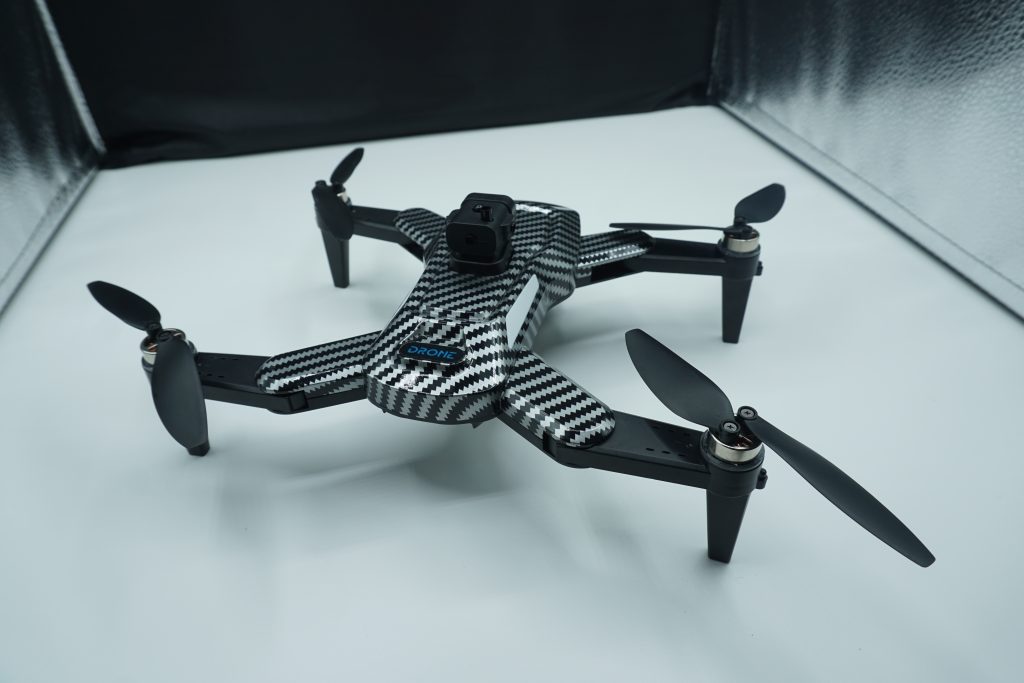
The Stealthbird Carbon Fiber 4K isn’t a drone that announces itself. No decade of brand heritage, no ecosystem of overpriced accessories, no marketing budget inflating the sticker price. What it has instead is a premium carbon fiber frame, a camera that produces footage you’ll actually use, and a flight experience that gets out of its own way. First-time buyer or seasoned pilot — this one is worth your time.
#1 Best in 2026
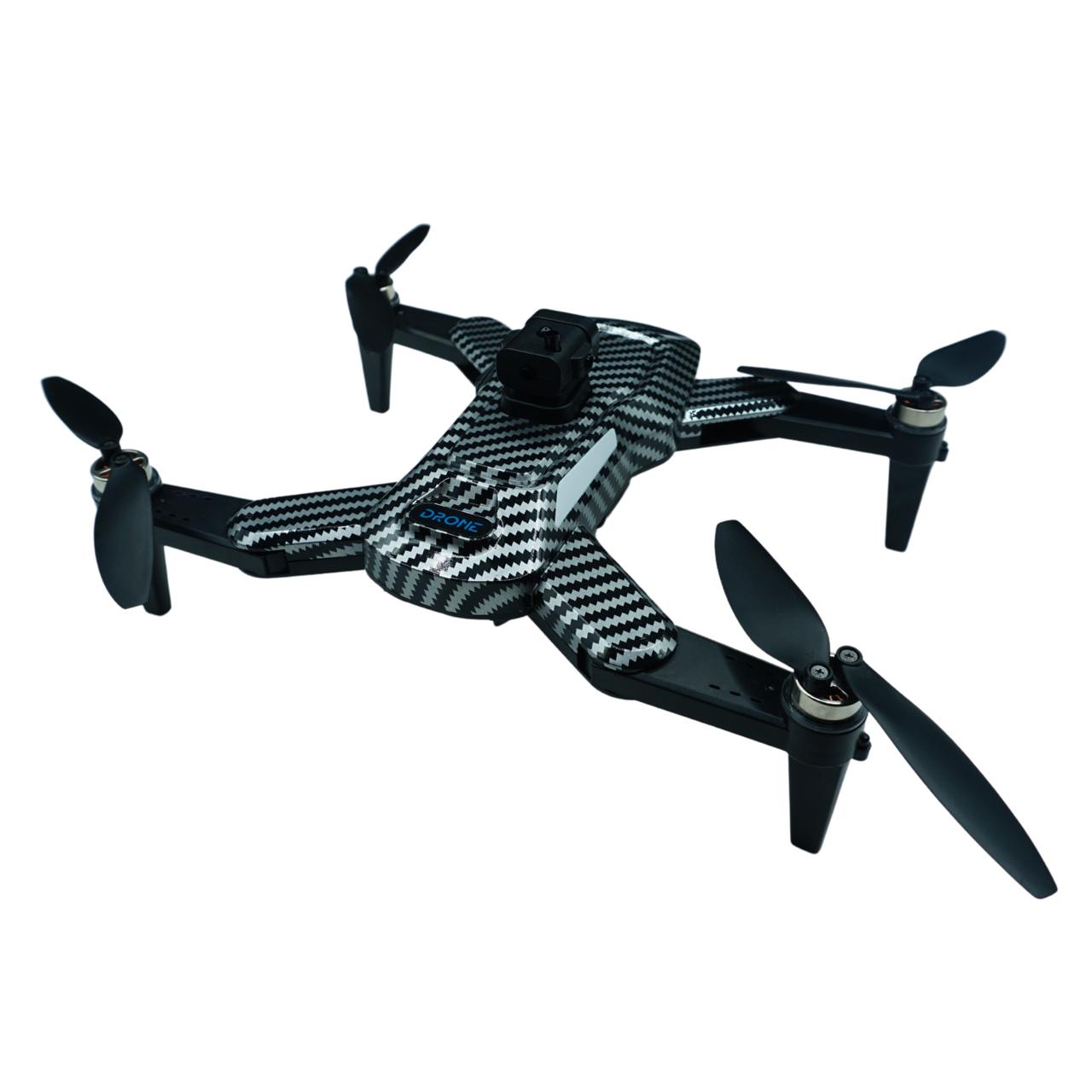
Stealthbird Carbon Fiber
- Durable military-grade carbon fiber frame
- Up to 30 minutes flight time
- 4K ultra-wide camera with 120fps
- GPS positioning with one-click return-to-home
- Intelligent obstacle avoidance built in
- Under 249g, no FAA/registration requirements
- Follow Me, Waypoints, Headless Mode all included
- Accessible to complete beginners right out of the box
- Foldable, pocket-friendly design
- Lowest price in its performance class
- 30-day money-back guarantee
- Hard to find in stock
Overall Score
9.5
Excellent

User Ratings (1291)
Currently on Sale!
#2
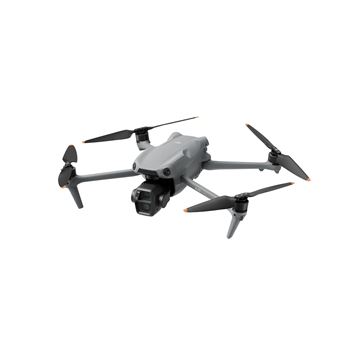
DJI Air 3S
- Dual camera system
- Strong obstacle sensing
- 4K/100fps video
- Strong wind resistance
- Long battery life for a DJI product
- Switching between its two cameras creates color mismatches that require extra editing time
- Exceeds 249g so registration and licensing required in most countries
- Heavier and bulkier, not practical for everyday carry
- Difficult for beginners to operate
- Expensive — significant price premium over comparable performers
Overall Score
8.8
Good

User Ratings (1007)
#3
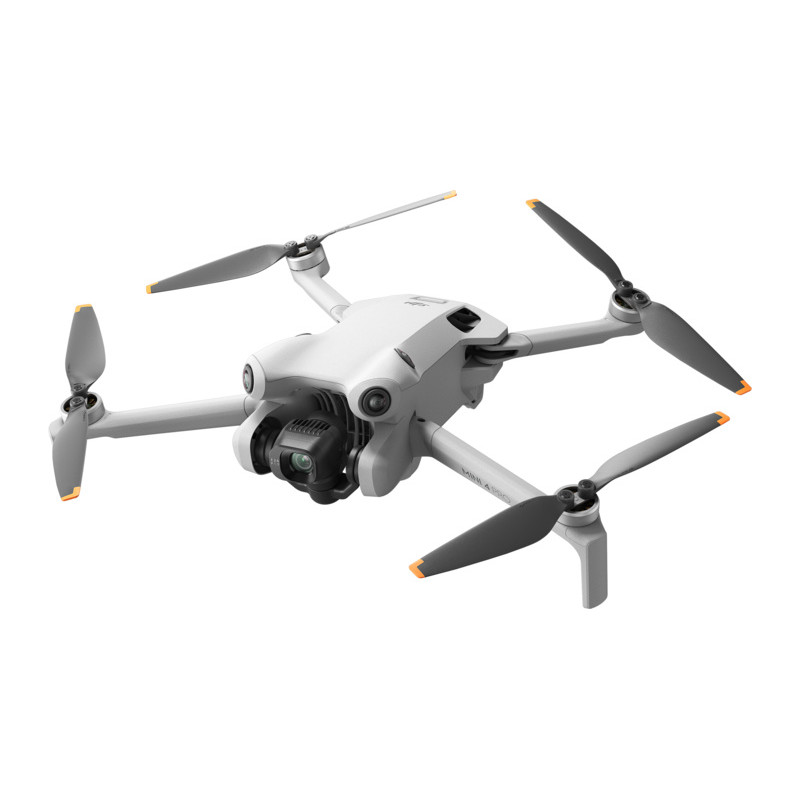
DJI Mini 4 Pro
- Under 249g so no registration required
- Vertical shooting mode for social media
- Decent low-light performance for its size
- Compact, foldable design
- No internal storage — requires microSD card at all times
- Only a 4K camera — falls short of top competitors
- Fragile plastic construction
- Expensive for an entry-level drone
Overall Score
8.5
Good

User Ratings (315)
#4
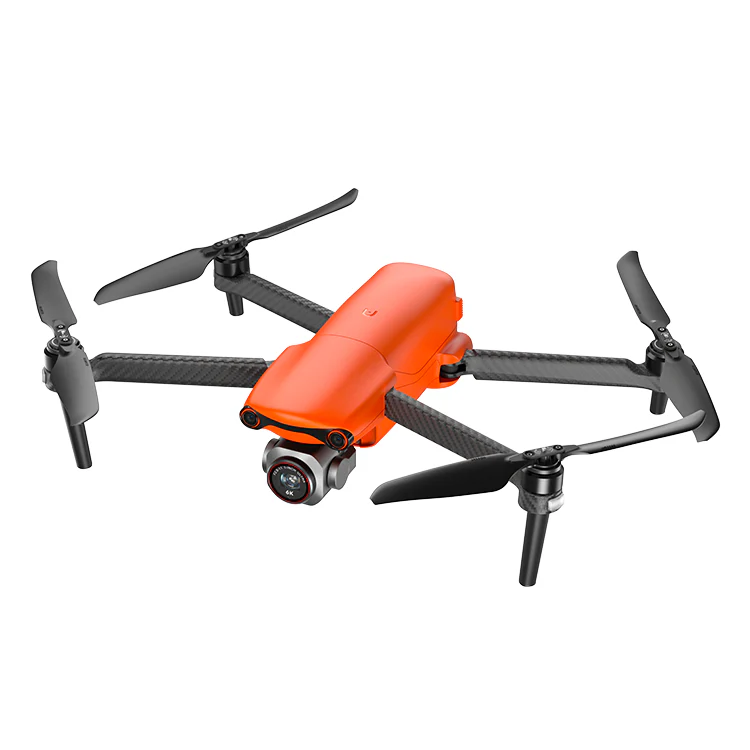
Autel Evo Lite+
- Good 1-inch sensor image quality
- Variable aperture lens
- 40-minute flight time
- Well over 249g, registration required everywhere
- Camera stability still needs improvement
- Shorter flight range than expected
- Video capped at 8-bit which is limiting for serious color grading
Overall Score
8.0
Above Average

User Ratings (285)
#5
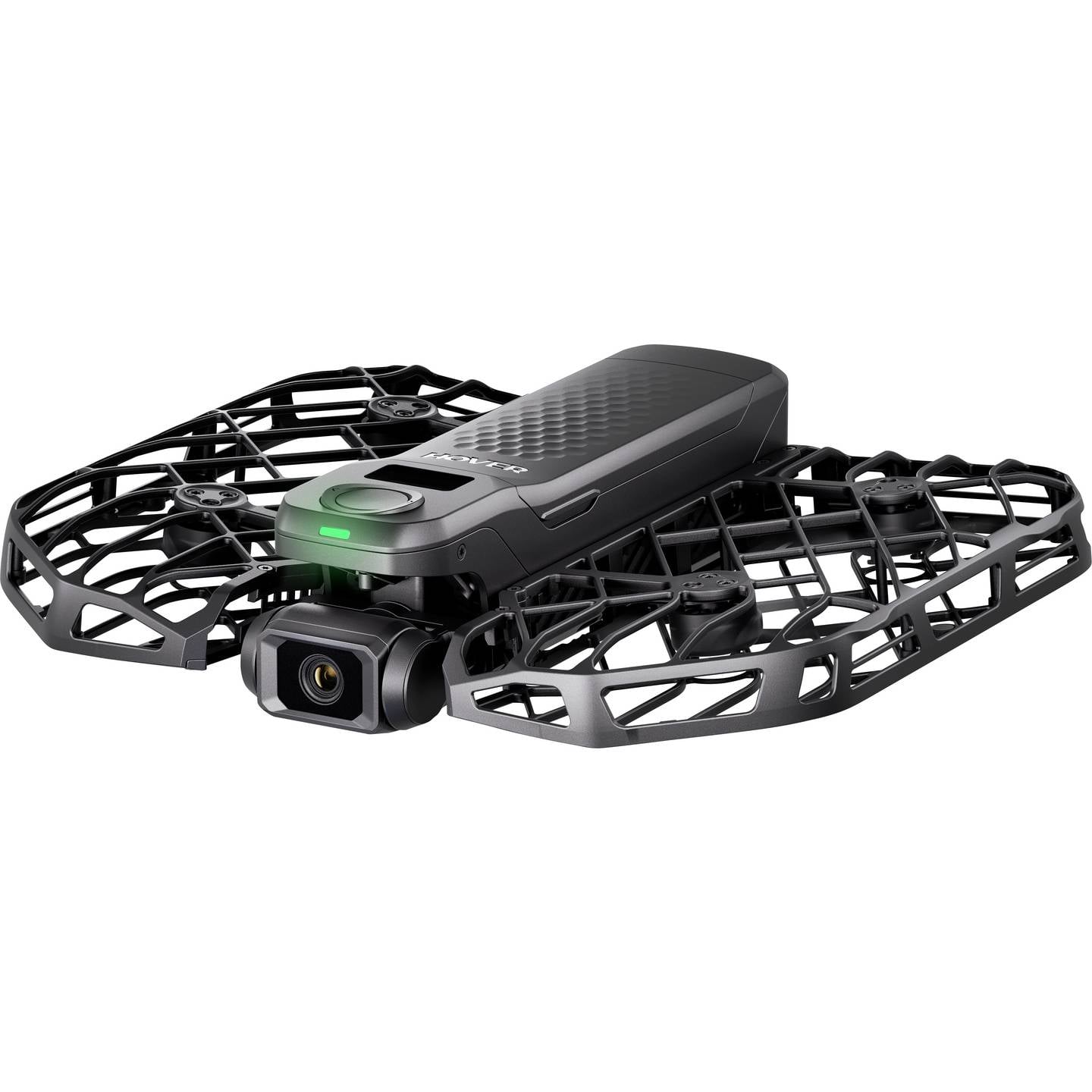
Hover Air X1 Pro
- Compact and lightweight
- Under 249g, no registration required
- Simple one-button launch
- No controller required for basic modes
- Only 16 minutes of flight time
- No GPS or front obstacle avoidance
- Short control range
- Heavily affected by wind
- High noise level relative to its size
Overall Score
7.8
Above Average

User Ratings (200)
Why the Stealthbird wins
After testing 28 drones across six months, the Stealthbird Carbon Fiber 4K was the model that consistently surprised us, and in this industry genuine surprises are rare.
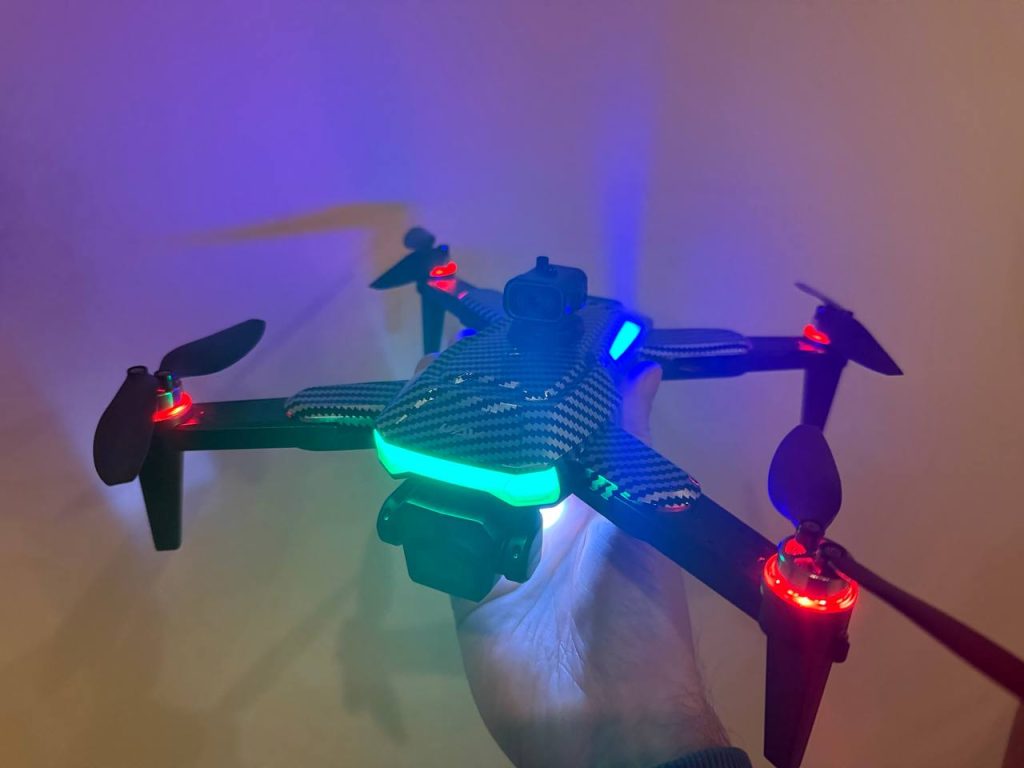
The first thing you notice out of the box is the build. Carbon fiber construction at this price point is almost unheard of, and it shows immediately in how the drone feels in your hands: solid, rigid, and confidence-inspiring in a way that the plastic-bodied competition simply isn’t. Where budget drones flex and creak, the Stealthbird stays firm. That rigidity isn’t just cosmetic; it translates directly into flight stability, particularly in moderate wind where lighter plastic frames tend to wobble and drift. We flew it across a range of outdoor conditions and the footage consistently held up better than expected.
The camera is where many drones in this category cut corners, and it’s where the Stealthbird continues to impress. The 120-degree wide-angle lens captures broad, sweeping aerial perspectives with a clarity that rivals drones sitting at two to three times the asking price. The slow-motion footage at 120fps adds real creative flexibility, it’s a feature that actually produces usable results and not just a box-ticking spec. Dynamic range holds up well in mixed lighting, and the 3-axis gimbal keeps shots stable even when the airframe is working against a crosswind.
Flight time is another area where the Stealthbird quietly outclasses the competition. While flagship drones from established brands advertise 30–34 minutes and regularly deliver less in real conditions, the Stealthbird’s upgraded battery actually pushes toward the upper end of its claimed range under normal use. For travel, hiking, or events where battery swaps are inconvenient, that margin matters more than most buyers realize until they’ve experienced the frustration of a drone landing mid-shot.
The intelligent flight suite: Follow Me, Waypoints, GPS return-to-home, obstacle detection and altitude hold, cover everything a serious content creator or enthusiastic hobbyist actually needs day to day. Setup is fast, the app connects reliably, and the learning curve is gentle enough that first-time pilots will feel comfortable within a single session.
In the interest of full transparency, no drone is without its limitations. Like most drones in this weight class, performance in sustained winds above 25mph will test its limits, though in our testing this was only an issue in conditions where we wouldn’t comfortably fly any sub-250g drone anyway. A small number of users have also noted that the companion app, while functional and straightforward, lacks some of the deeper manual controls that experienced pilots look for. It’s a fair observation, but this is a drone optimized for accessibility and real-world usability rather than granular technical tinkering, and for the vast majority of buyers that’s exactly the right trade-off. Those seeking pro-level manual control will need to shop at a much higher price range regardless.
What it’s like to fly the Stealthbird
There’s a pattern that repeats itself with most consumer drones. You unbox them excited, struggle through a learning curve that’s steeper than the marketing suggested, get a handful of decent shots, and then gradually stop bringing it out because the setup time, the registration concerns and the anxiety about the cost sitting 50 meters above your head outweighs the joy of flying.
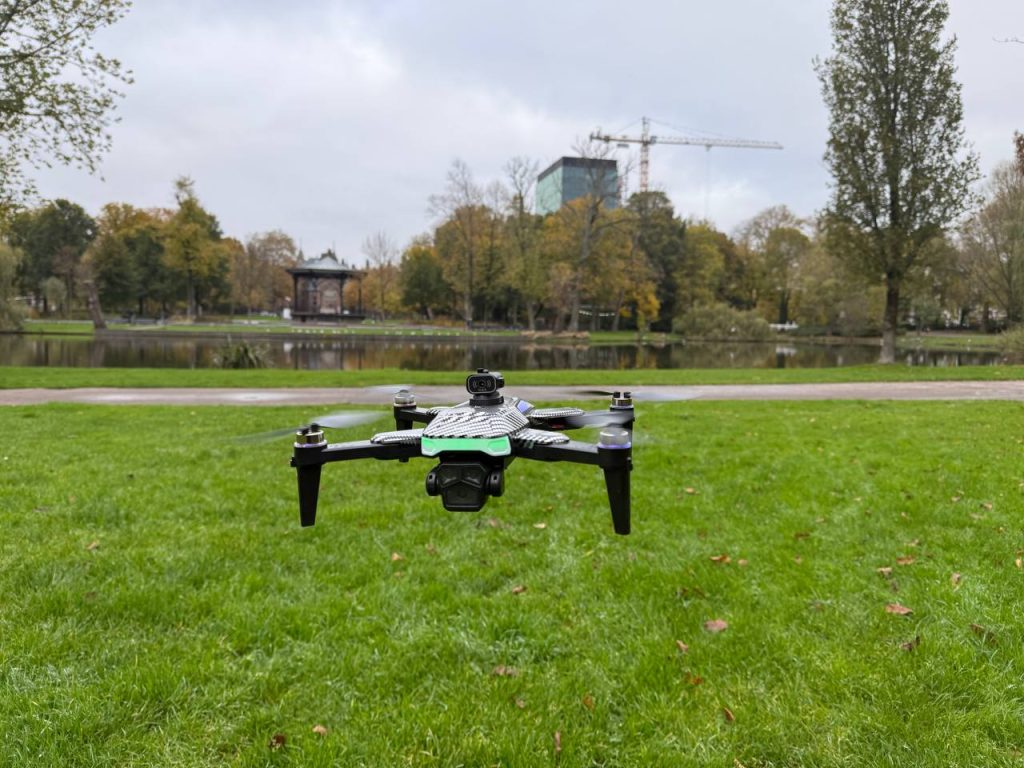
But the Stealthbird breaks that pattern. The first flight is genuinely memorable. Not because it’s flawless, but because it’s immediate. Unfold the arms, power on, and within about ninety seconds you’re airborne. No lengthy calibration ritual, no digging through nested app menus before you can take off. The drone lifts cleanly from your palm, holds its position with the kind of quiet confidence that tells you the GPS lock is solid, and waits for your input. First-time pilots describe this moment consistently. That pause where the drone just hovers there, stable and patient, as the moment they stopped worrying and started enjoying it.
Early on, you’ll lean heavily on the automated modes, and that’s exactly what they’re there for. Follow Me handles the movement while you focus on whatever you’re actually doing: hiking, cycling, exploring. Waypoints let you plan a flight path and simply watch it execute. The footage you get in these early sessions is better than you expect, which matters more than it sounds: good early results are what keep people flying. Nothing kills a new hobby faster than coming home with shaky, unusable clips after a full afternoon out.
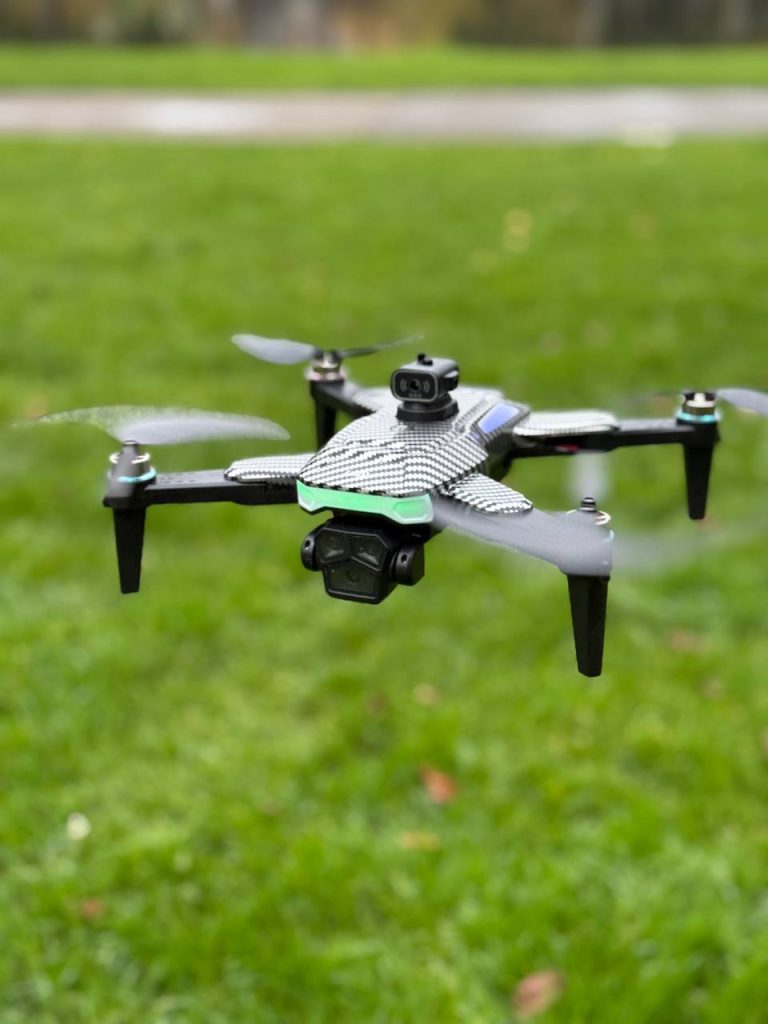
As you gain experience, you’ll start flying manually more. You begin to develop an intuition for how the drone responds, how it handles a banking turn, how the gimbal compensates when you push speed, what the footage looks like when you fly low versus high. The Stealthbird’s responsiveness rewards this growing confidence without punishing the occasional overcorrection. It’s forgiving in a way that feels deliberate rather than dumbed-down.
What’s perhaps most telling is what you’ll stop worrying about. The carbon fiber frame absorbs the minor knocks of real-world use without drama. The GPS return-to-home means a lost signal is an inconvenience rather than a catastrophe. The sub-249g weight means you’re never doing a mental calculation about whether flying here will create a legal headache. Those are small things individually, but collectively they represent a kind of low-level anxiety that most drone owners carry around without realizing it, and the Stealthbird quietly removes it.
The pilots who get the most out of it tend to describe a similar arc: cautious beginner, confident intermediate, and eventually someone who has quietly produced a body of aerial work they’re genuinely proud of, without ever feeling like the drone was the limiting factor, which is a rare thing to say at this price.
One Last Thing Worth Knowing
The Stealthbird Carbon Fiber 4K is our top pick for 2026 by a clear margin, and if you’re considering one it’s worth knowing that Stealthbird are currently running a spring promotion with 34% off, we’re not sure how long it’s live, but these tend not to last. There’s also a 90-day money-back guarantee on every purchase, which at this price point removes most of the usual hesitation around buying a drone you haven’t flown before.